



Low-Cost Olive Pest Control Solution in Development
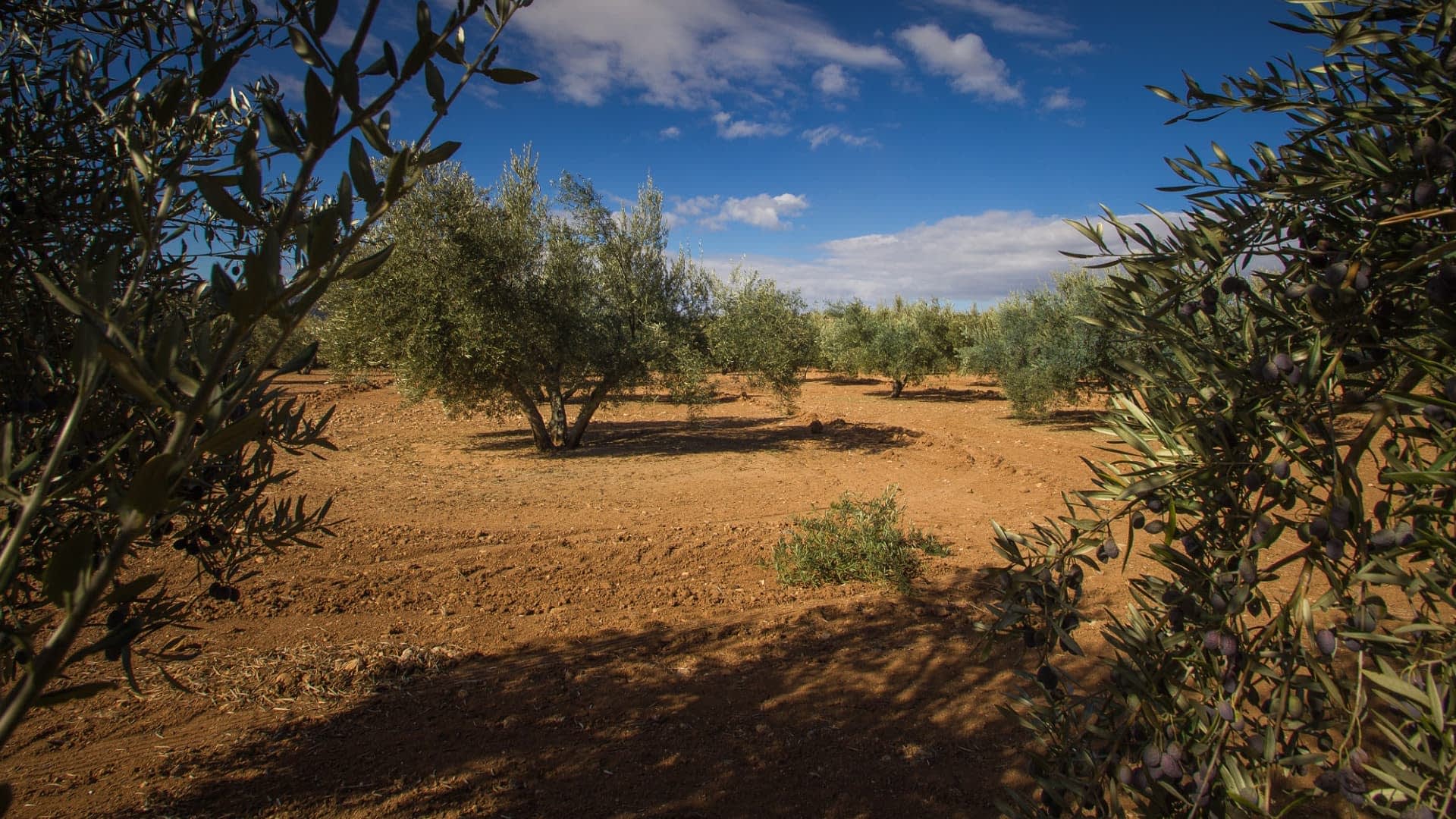

A Spanish consortium, supported by government funding, is developing a system to detect and identify pests in olive groves using advanced technology and sensors, aiming to reduce production losses and enhance the competitiveness of the olive sector. The system will monitor key pests in real-time, provide data for pest management decisions based on economic thresholds, and has the potential to expand to monitor additional organisms in the future, contributing to the sustainability and viability of European agricultural food production.
A new Spanish consortium has been formed to develop an automated, easy-to-use, reliable and low-cost system for detecting and identifying pests in olive groves.
With regional, national and European government backing, the oliVAr Operational Group aims to create this system by combining existing hardware with recent advances in artificial vision and data modeling.
The consortium comprises Loyola University Andalucía, the Ayesa Foundation, Opracol Seville and Cooperativas Agro-alimentarias de Andalucía, which accounts for over €11 billion in annual turnover.
See Also:Researchers Develop Algorithm to Predict Harvest Potential from Climate DataThe consortium aims to develop an integrated platform to locate the presence, movements and numbers of pests via a network of remote nodes deployed throughout the olive grove, including temperature, humidity, infrared and visible-spectrum sensors, all connected wirelessly.
The system will detect four of the most consequential olive pests: olive fruit fly, olive moth, olive psyllid and jasmine moth.
“The health of olive groves and their products is currently a fundamental element in the field of agricultural production; the pests and diseases that affect them can cause serious production losses and, therefore, reduce the competitiveness of the olive sector,” the consortium said in a press statement.
Pest activity and threat data will be stored in the platform’s databases. This information will be available in real-time via the graphical user interface (including mobile interfaces) and serve as the basis for analytical functions within the software.
These functions include creating a flight curve for each target insect and the economic threshold at which the control point is located.
The economic threshold indicates the opportune time to decide upon and implement preventative measures to avoid a reduction in crop value greater than the cost of the control treatment, which translates into economic damage: the economic injury level.
The economic threshold and injury level are central to the Integrated Pest Management (IPM) program, upon which the oliVAr system is founded.
IPM was developed during the decades following World War II in response to steadily increasing pesticide use, which resulted in pest control crises due to growing pesticide resistance and increasing evidence and awareness of the negative impacts on human health and the environment of intensive pesticide use.
The consortium noted that although the system will be designed to counter currently prominent pests such as the olive moth and olive fruit fly, the technology could be extended to monitor additional organisms in the future, especially invasive or exotic species.
This is seen as increasingly likely due to climate change and the globalized nature of modern agriculture and trade. For example, the brown marmorated stink bug has now been detected in olive groves in Italy and Greece after over a decade of causing significant economic damage to various crops in North America.
The oliVAr project, funded through the European Agricultural Funds for Rural Development (EAFRD) and co-financed by the Ministry of Agriculture, Fisheries, Water and Rural Development of the Andalusian regional government, is one of several intended to improve the sustainability and viability of European agricultural food production through innovation in technological solutions.
Related Articles
Feb. 25, 2025
Spanish Olive Oil Prices Fall as Production Recovers
A substantial harvest in Spain, already at 1.38 million metric tons and rising, has resulted in olive oil prices plummeting to levels not seen since mid-2022.
Mar. 28, 2025
Filippo Berio Execs See Equilibrium Returning to The Global Olive Oil Market
A harvest rebound in Spain and strong harvests elsewhere, have resulted in falling prices at origin and portend a decrease in retail prices, say Berio officials.
Sep. 9, 2025
Australian Co. Debuts New Table Olive Production Method
A new method for processing table olives in Australia is gaining attention for its potential to broaden the market. It boasts faster processing, fresh flavors, and no fermentation.
Nov. 4, 2025
Willow Creek’s Cooperative Approach Brings Stability to Olive Growers
Inspired by models in Europe and Chile, Willow Creek’s Guild of Groves brings 35 South African olive growers together to share resources, reduce costs, and boost quality.
Jun. 25, 2025
Yeast Study Finds Solution for Olive Mill Wastewater Treatment
A new study explores using Yarrowia lipolytica yeast to convert olive mill wastewater into valuable compounds, potentially benefiting various industries.

Nov. 11, 2025
Officials Outline China’s Olive Oil Future at Hubei Conference
Officials and experts expressed optimism about the olive oil sector, touting new varieties and government support while acknowledging the need for innovation, coordinated policy, and consumer-focused production.
Sep. 29, 2025
Moroccan Olive Growers Hope for Record Harvest and Exports
Morocco's olive season is off to a strong start, with favorable weather conditions and investments expected to lead to record production and lower prices.
Jun. 16, 2025
Olive Leaf Extract Successfully Incorporated into Biomedical Polymer Filaments
Spanish researchers successfully incorporate olive leaf extract into biodegradable polymer filaments for potential use in biomedical applications.